Avlar - Theme Documentation
By Progression Studios
Thank you for purchasing this theme. If you have questions that are beyond the scope of this help file, visit our support forum.
Theme Installation
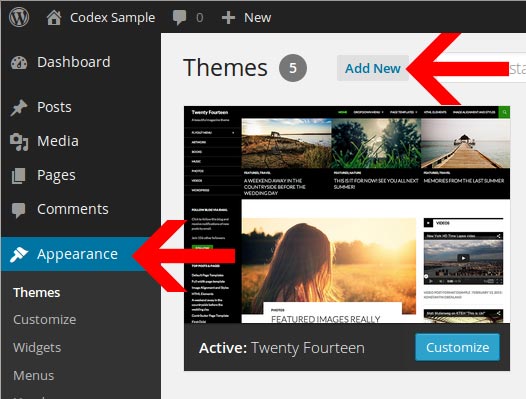
You can install Themes directly to WordPress by using the Add New Themes option in the Appearance sub-menu.
- Log in to the WordPress Administration Panels.
- Select the Appearance panel, then Themes.
- Select Add New.
- Then Select Upload Theme.
- You can then Install your Theme and Activate it.
Adding New Themes Manually (FTP)
To add a new Theme to your WordPress installation, follow these basic steps:
- Download the Theme archive and extract the files it contains. You may need to preserve the directory structure in the archive when extracting these files. Follow the guidelines provided by your Theme author.
- Using an FTP client to access your host web server, create a directory to save your Theme in the wp-content/themes directory provided by WordPress. For example, a Theme named Test should be in wp-content/themes/test. Your Theme may provide this directory as part of the archive.
- Upload the Theme files to the new directory on your host server.
Recommended Plugins
After installing your theme, you will be prompted to install a set if additional plugins. Click on the "Begin Installing Plugins" text link to install the plugins.
You will then view the "Install Required Plugins" page. You can also reach this page under Appearance > Install Plugins. You can select all the items and Bulk Install the plugins or install the plugins one at a time.
Note: We strongly recommend installing theses upon the initial installation. You can also deactivate and remove any plugins later on.
Import Demo Content
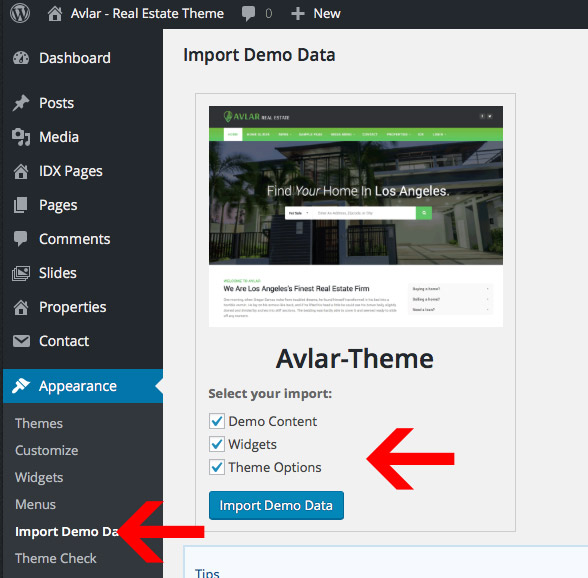
You can import the demo content under Appearance > Import Demo Data. Just click "Import Demo Data" and wait until the importer notifies you the import is completed. Please click import only once and wait, it can take a couple of minutes. If you click import mulitple times it will duplicate the menu items under Appearance > Menus. However the pages themselves will not be duplicated.
Theme Options
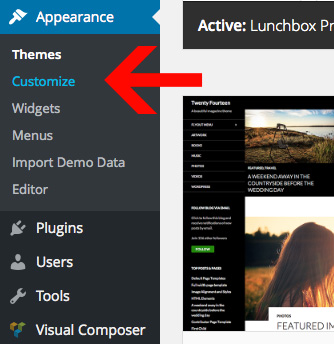
You can easily customize your the theme options under Appearance > Customize.
Changing the Logo
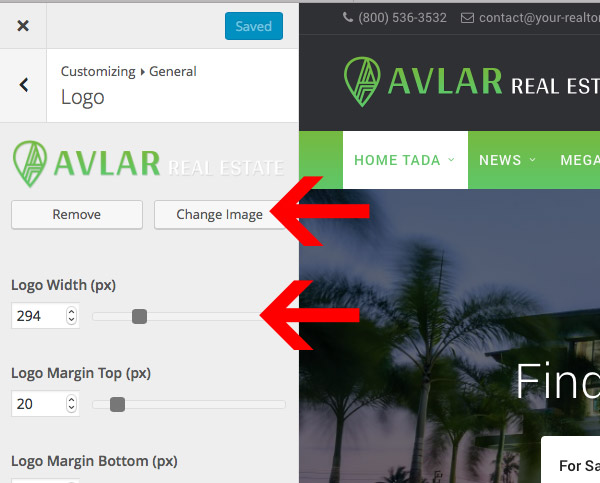
You can easily adjust the logo in the Theme Customizer(Appearance > Customizer) under section "General" and sub-section "Site Logo".
To change your logo, click "Change Image" and choose your new logo. Make sure to adjust the "Logo Width" to match your logo.
Google Maps API Key
As of June 22, 2016 Google has started to require an API key to use Google Maps on your site. Don't worry as this is still free. You just need to register with Google and get a free API key. Then paste the key into our theme.
Step 1) Register and get an API Key here: https://developers.google.com/maps/documentation/javascript/get-api-key

Step 2) Login to your WordPress site and add your API key into your theme customizer. (Appearance > Customize > Google Maps)

Navigation Menu
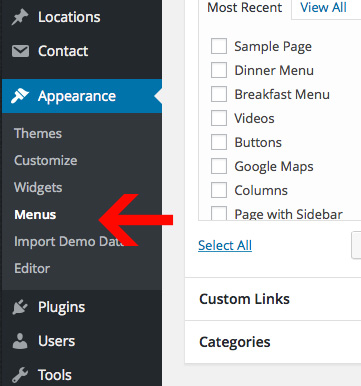
You can create & manage your navigation menus under Appearance > Menus.
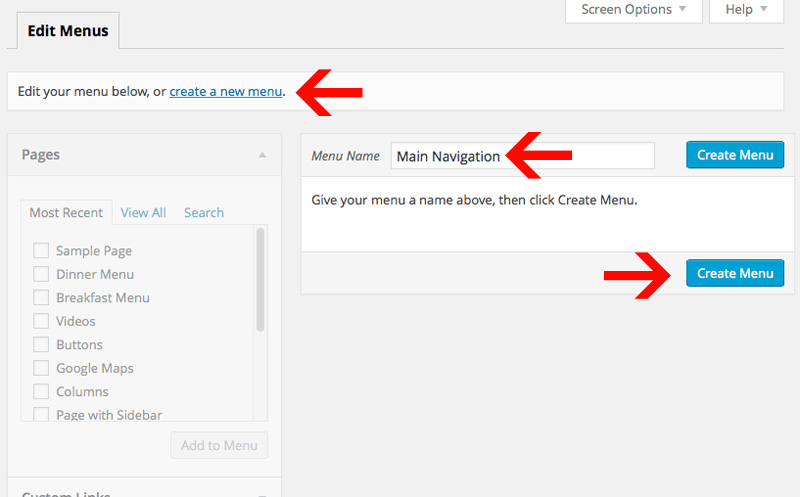
Step 1: Create a Menu
To start, create a new menu. You can click on text link "create a new menu". Then, enter in a menu name and click "Create Menu".
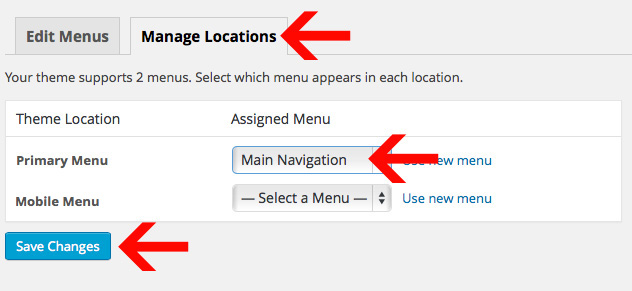
Step 2: Set the Menu Location
After you have created your menu, you need to select the Theme Location. You can do this by going under the "Manage Locations" tab at the top. Then select a menu under "Primary Menu" or "Mobile Menu" and click "Save Changes".
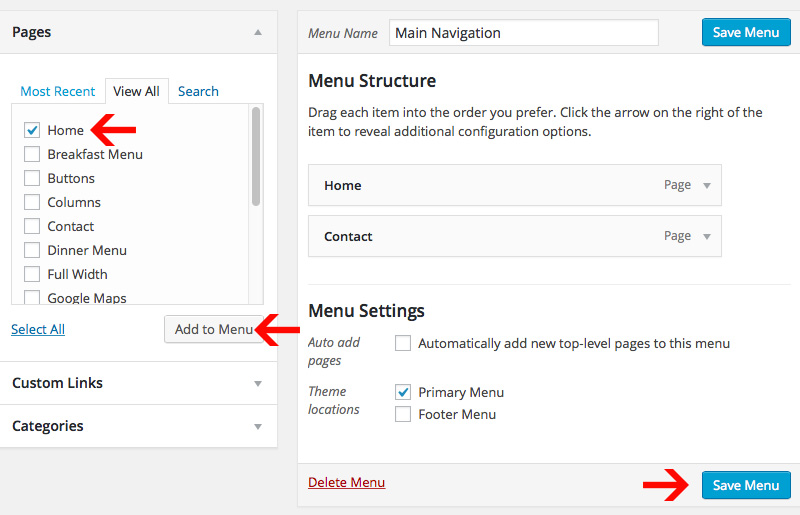
Step 3: Add pages to your Menu
You can then start adding pages and links to your menu. After you click "Add to Menu", it will move the menu item menu on the right. You can drag menu items around to order them. Or customize/delete the menu items by clicking on the down arrow on the right. Make sure to save the menu when you are done editing it.
Link to Properties to your Navigation Menu
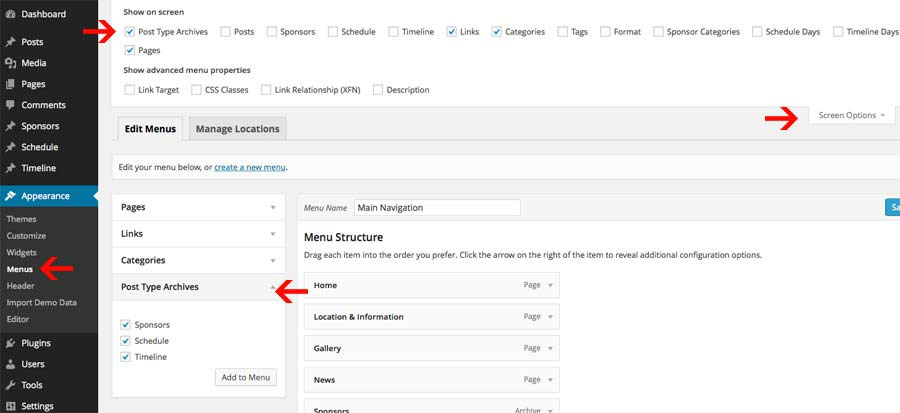
You can add a link to your Properties under Navigation > Menus. Click on "Screen Options" at the top right and make sure "Post Type Archives" is checked. Then you can add your Properties page to your navigation. This area also is where you can add Property Status's, Neighborhoods, and more.
Adding Sub-menus
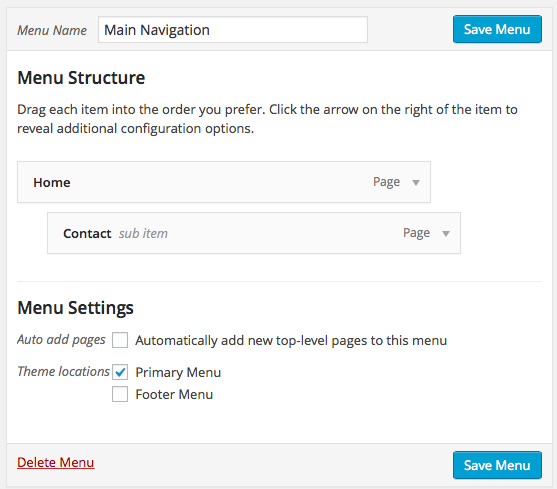
You can make multiple level's of sub-menus. All you need to do is drag the menu item that you want inside the sub-menu under-neath the parent menu item. There will be an option to indent the item, so that the sub-menu item looks like it is pushed inside of the parent menu item. See example, "Contact" is in a sub-menu of the parent page "Home":
Adding Menu Icons
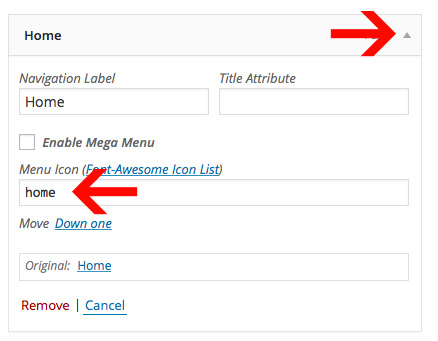
You can easily add-in a menu icon by clicking the small down-arrow and editing the menu item.
You can get a list of avaialble icons here: http://fortawesome.github.io/Font-Awesome/icons/. Just pick an icon and then type in the name of the icon in the "Menu Icon" field.
Adding Mega-Menu's
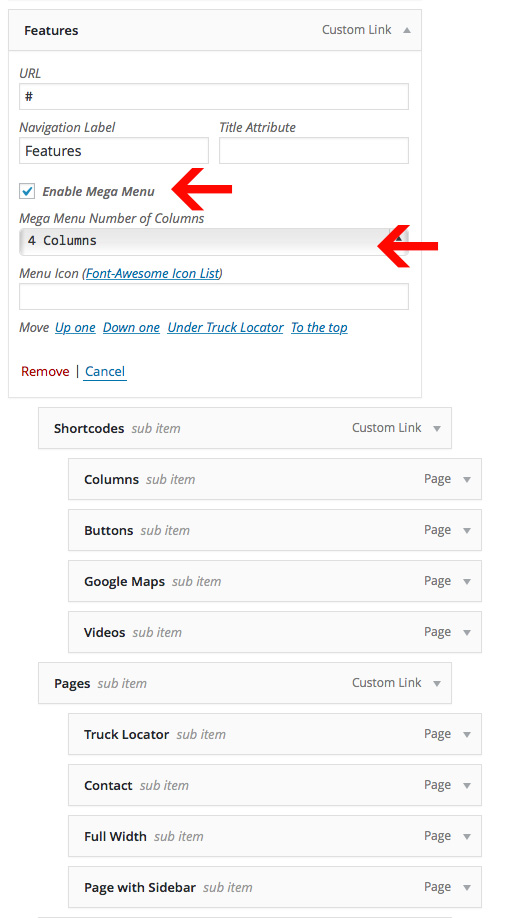
You can easily add-in support for mega-menus by clicking the small down-arrow and editing the menu item. Just click "Enable Mega Menu" and then choose the ammount of columns you want to use for your mega menu.
The first sub-menu level is going to be the heading for the column (Use Custom Link with "#" added in for the URL). The next sub-level will display the navigation item. Here is an screen-shot example of how the live preview menu is setup:
Page Builder
This theme is powered by the page builder "Visual Composer". Check out the full Visual Composer documentation here: https://wpbakery.atlassian.net/wiki/display/VC/Learning+More
Using the Page Builder
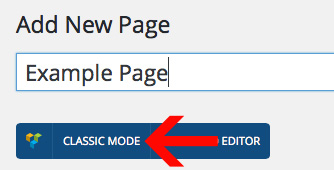
While editing a page, start by clicking "Classic Mode" or "Frontend Editor". We recommend the Classic mode but both wil work.
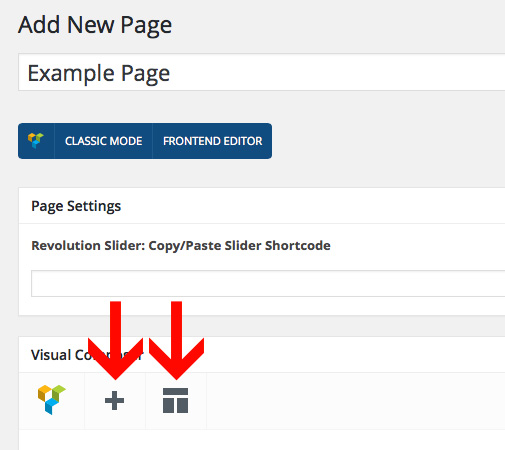
From there you can Add Elements or Templates. The most common one will be Elements (the +). These two buttons are located at the top of the Visual Composer Editor:
Adding Elements
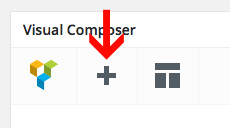
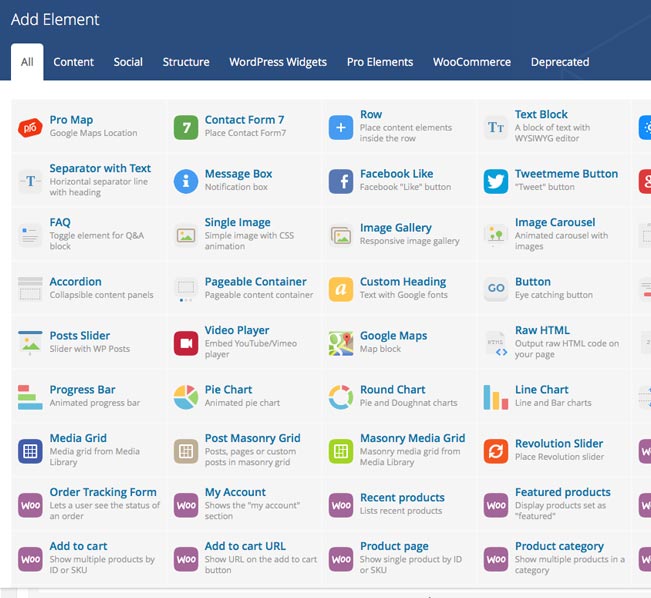
You can add elements by clicking the + icon. From there you get a list of elements. Choose any element and start building. Each element has a bunch of options that you can edit or leave as is:
Row Options & Backgrounds
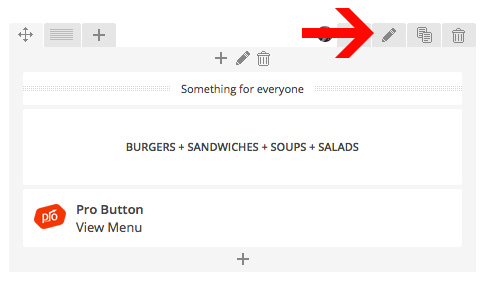
You can edit various rows option by clicking on the "Pencil" icon. This allows you to stretch the rows to full width, add background images, and more.
Adjusting Columns
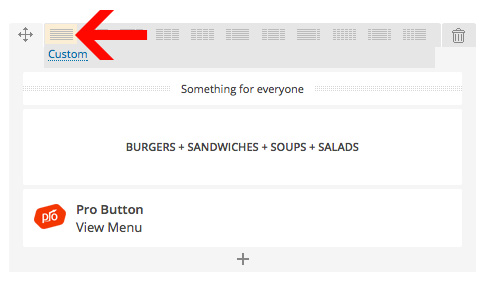
You can easily edit the columns by clicking on the Column icon and adjusting it as needed:
Properties/Agents
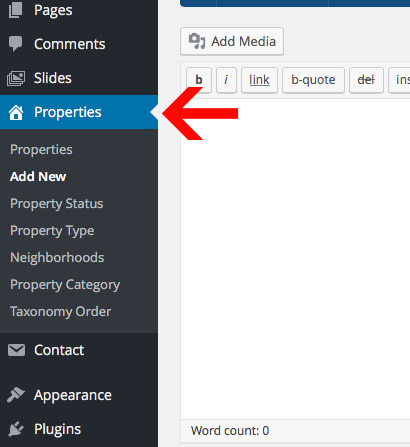
Properties are managed under the custom post type "Properties". You can easily add/remove properties and adjust all of the options under Properties.
Adding a Slider Image Image (Featured Image)
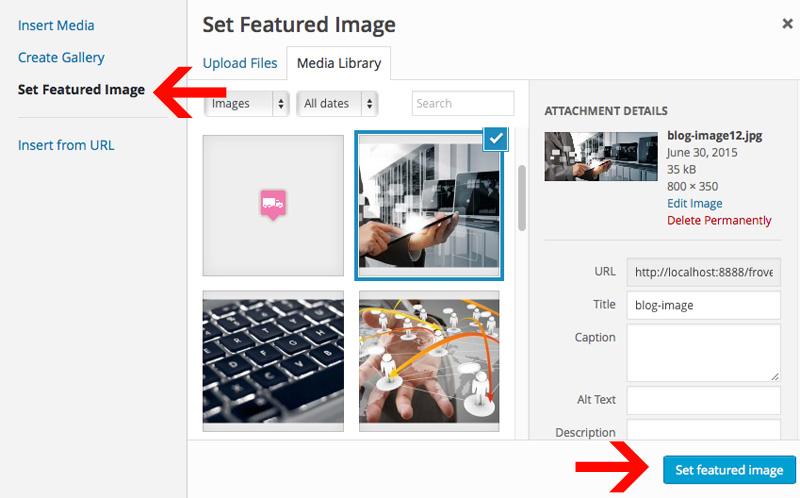
Just click "Add Media" and upload the image. Then click "Set Featured Image" and select your image. The last step is to click "Use as featured image". See the example below.
Link to Properties to your Navigation Menu
You can add a link to your Properties under Navigation > Menus. Click on "Screen Options" at the top right and make sure "Post Type Archives" is checked. Then you can add your Properties page to your navigation. This area also is where you can add Property Status's, Neighborhoods, and more.
Frontend Property Form
You can add a frontend property submission to any page using this shortcode:
[avlar-front-end-form]
You can customize the fields/text under "Custom Fields" and clicking sync.
Favorite Properties
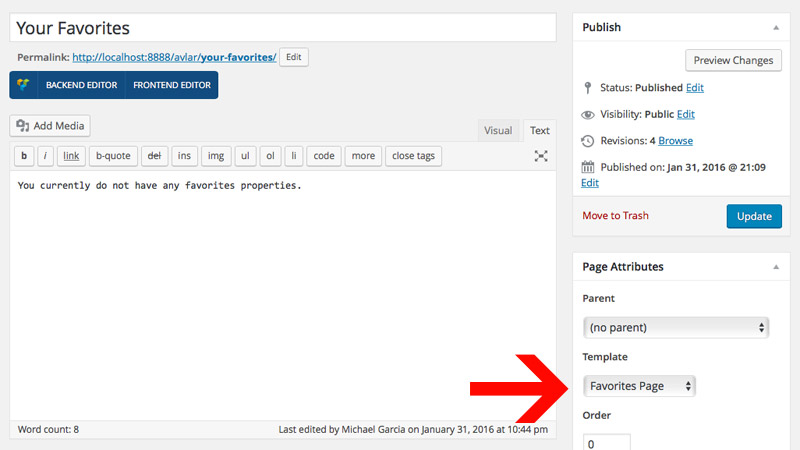
You can create a favorite properties page by selecting the "Favorites Page" page template while editing your page. The text on the page is what appears when you have no favorites.
Note: You can disable favorites under Appearance > Customize if you don't want these appearing on your properties.
Property Contact Form
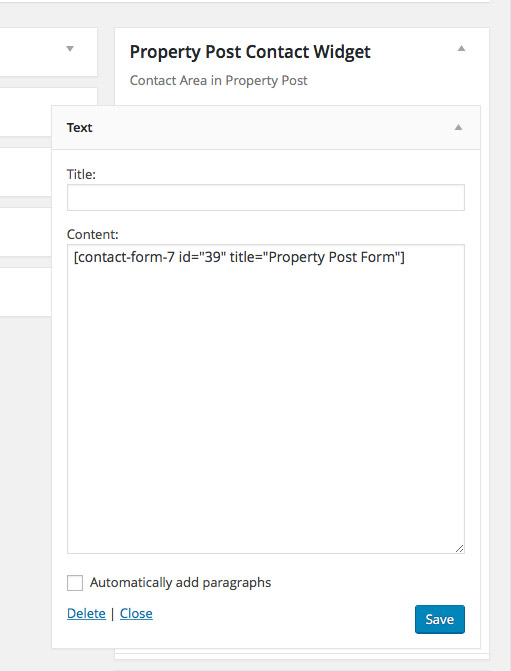
You can manage all of your contact forms under "Contact". This is where you would go to adjust text and/or fields for the contact form.
To disable the property contact form, go under Appearance > Widgets > Property Post Contact Widget and remove that text widget.
Note: Make sure you update the e-mail addresses for the contact forms so they point to your e-mail address.
Property Search
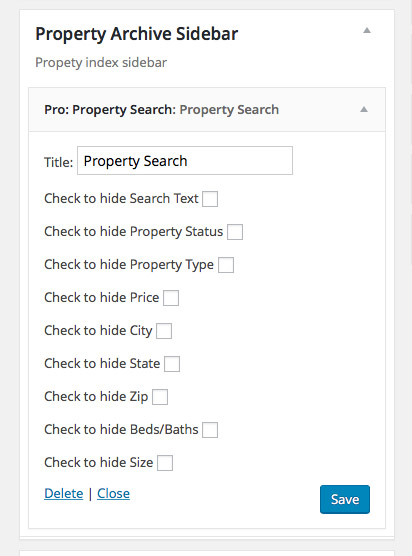
The property search is created via a search widget. You can find this under Appearance > Widgets.
How to adjust the default order of your properties
You can adjust your property order via this plugin: https://wordpress.org/plugins/post-types-order/
How to adjust the taxonomies (Property Status Order, Neighborhoods, etc.)
You can adjust your property taxonomies via this plugin: https://wordpress.org/plugins/taxonomy-terms-order/
Agents
Agents are managed under "Users".
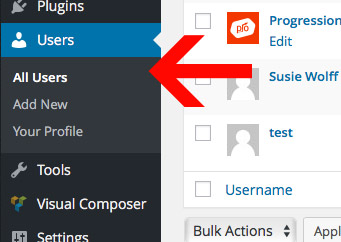
Users that are the role of "Contributers", "Authors", or "Administrators" will be listed under Agents.

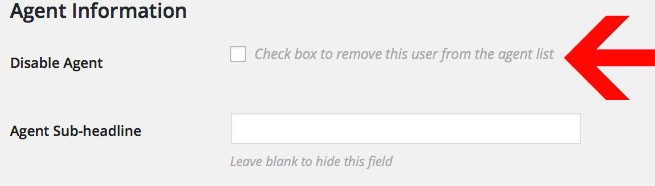
You can disable agents by checking the "Disable Agent" checkbox while editing a user profile.
Assign an Agent to a Property
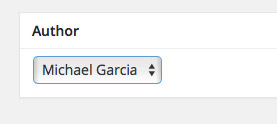
You can assign properties to users while editing the property at the very bottom under "Author".
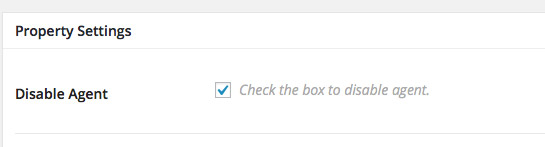
You also have the option to have no agent by clicking "Disable Agent" under the property options.
Homepage Search/Slider
The homepage search and homepage slider can be added to any page. You can adjust this under Page Settings > Page Title Display.
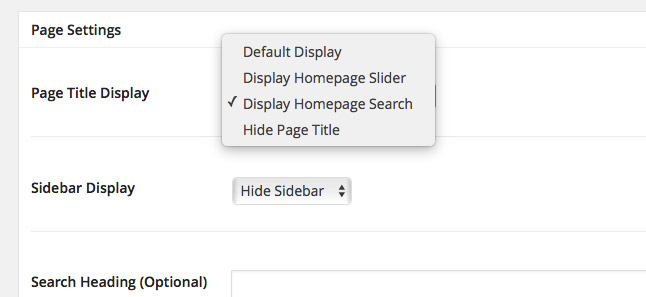
Slider: The slider slides are manged under the "Slides" custom post type.
Search: The search options for the homepage search are located under Appearance > Customize.
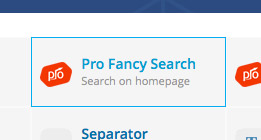
You can also add the homepage search to any page using the Page Element "Prop Fancy Search".
Homepage Slider
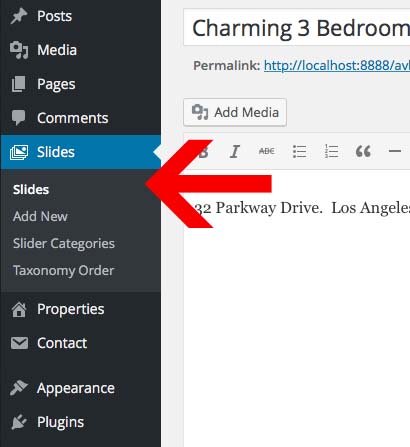
The homepage slider is managed under the custom post type "Slides". You can easily add/remove slides and adjust all of the options under Slides post type.
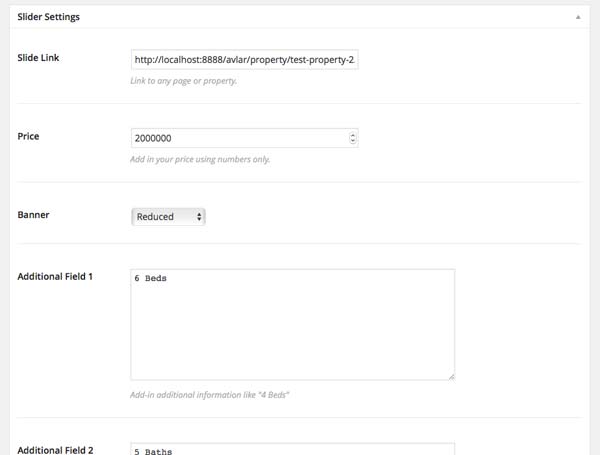
All of the information and options are found while editing the slides. Just scroll down to the "Slider Settings" to edit these. Leave any fields blank to automatically hide them.
Adding a Slider Image Image (Featured Image)
Just click "Add Media" and upload the image. Then click "Set Featured Image" and select your image. The last step is to click "Use as featured image". See the example below.
Login/Registration
Login pages are created automatically when you install the theme. We are using the plugin Theme My Login in order to manage this: https://wordpress.org/plugins/theme-my-login/
Turning Registration On
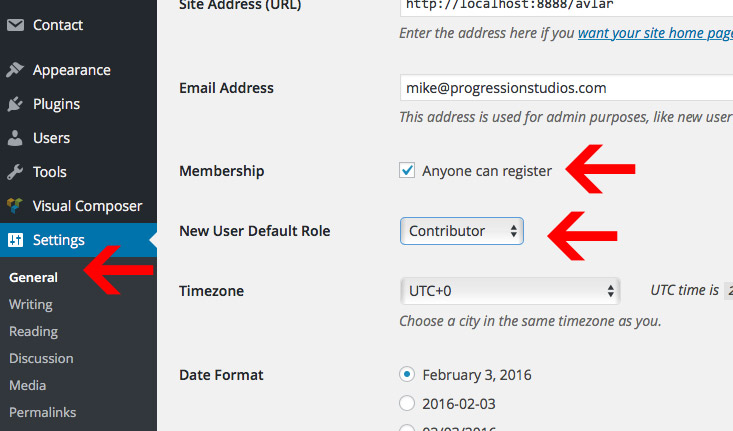
By default site registration is disabled. You can turn this on under "Settings > General" under the heading "Membership". If you want new users to be setup as agents, then make sure the defualt role is set to "Contributor".
Recommended Settings
We recommend adjusting turnign on all the modules under "TML". This gives you greater control over the login/registration for your site.
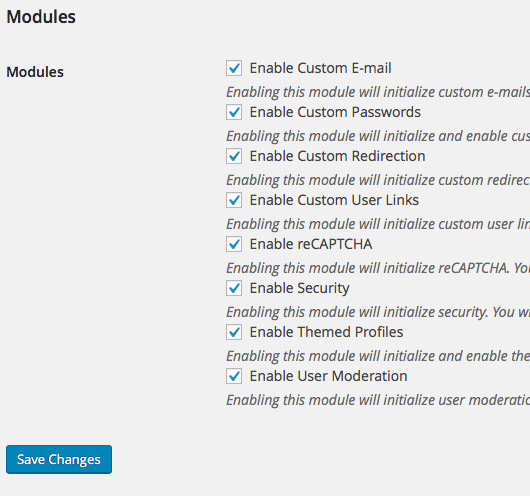
Make sure to edit the "Redirection" section after you turn on the modules. We recommend settings the redicrect for all users to "Referer" although you can adjust this to anything you prefer.
IDX dsIDXpress
If you want to use IDX feeds for your site, we have built-in support for the plugin "dsIDXpress". You can download this plugin here: https://wordpress.org/plugins/dsidxpress/. Check out http://www.dsidxpress.com if you want to learn more on how to add IDX feeds to your site.
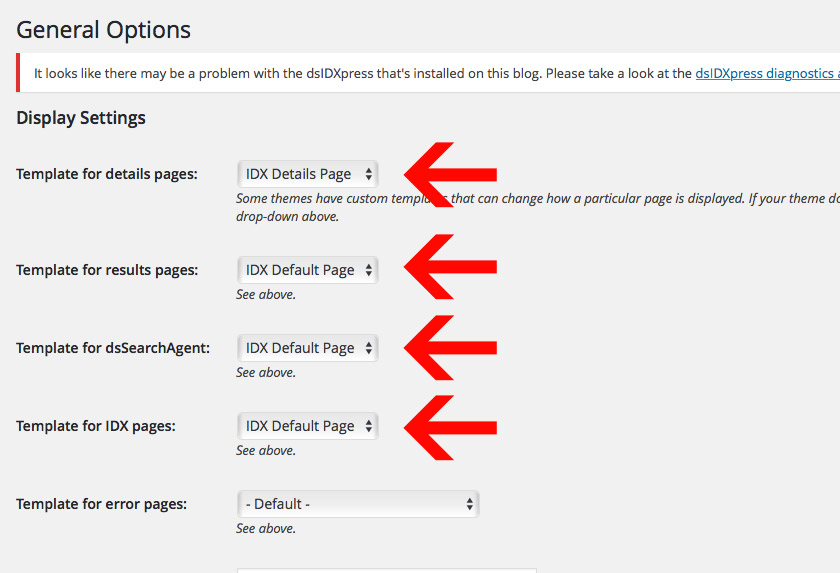
After you have setup your IDX plugin, you will need to adjust the page templates under IDX > General:
Footer/Sidebar Widgets
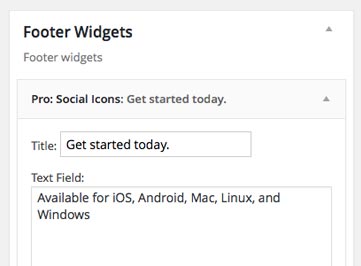
The footers and sidebars are controlled by widgets. You can edit these areas under Appearance > Widgets. Just drag/drop in a widget into the widget area.
Copyright Text & Additional Options
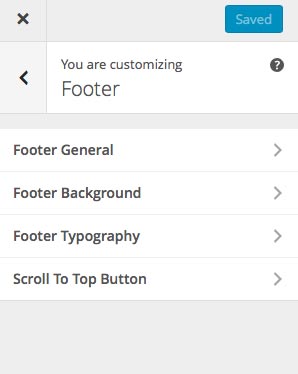
You can edit the footer copyright text under the Theme Options (Appearance > Customize). The footer settings are located under "Footer".
Sidebar
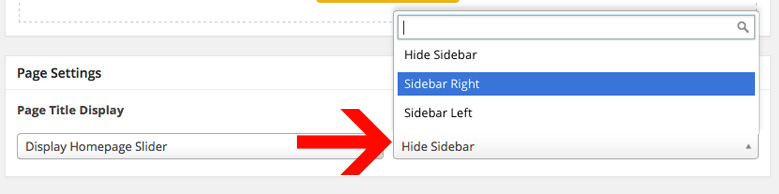
You can turn on the sidebar while editing any page under "Page Settings" at the bottom.
Blog Setup
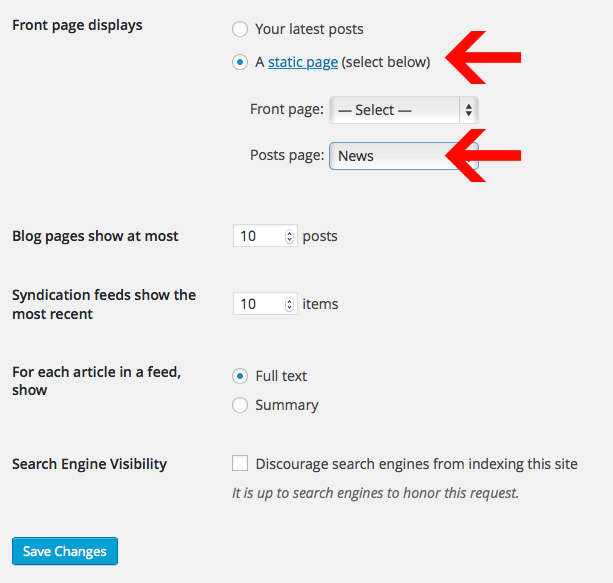
First, you will need to create a page that you would like to be your Blog. Then you need to need to go to "Settings > Reading".
Then select "A static page" and choose your newly created page under "Posts page".
Adding the 'Continue Reading' Button (Cut-off content on index)
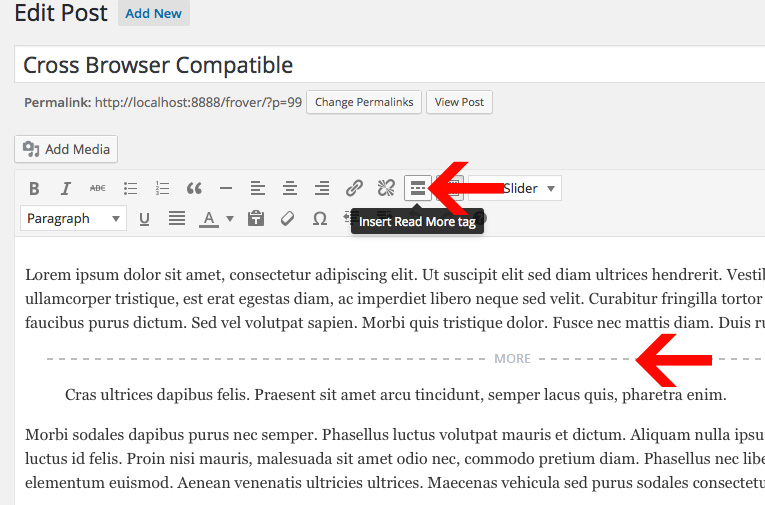
By default the blog-posts on the blog index will display all content. If you want to cut-off the blog-post on the index earlier, you will use the "Insert More" tag. The information above the break will be displayed on the Blog Index and all other information will be displayed on the post page. You can find the button for in default text editor as shown in the example.
Adding a Featured Image
Just click "Add Media" and upload the image. Then click "Set Featured Image" and select your image. The last step is to click "Use as featured image". See the example below.
Adding an Image Gallery
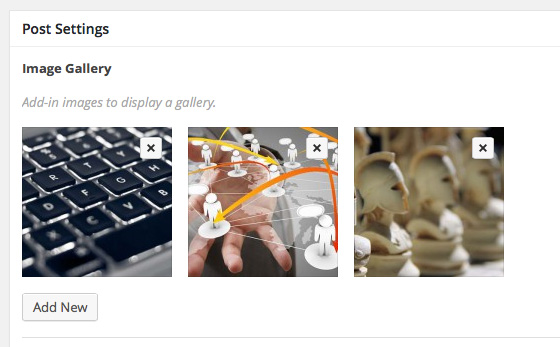
You can add an image gallery by editing the "Post Settings" at the bottom of the post. Just click "Add New" under the Image Gallery and add-in as many images as you need.
Adding audio/video to your Post
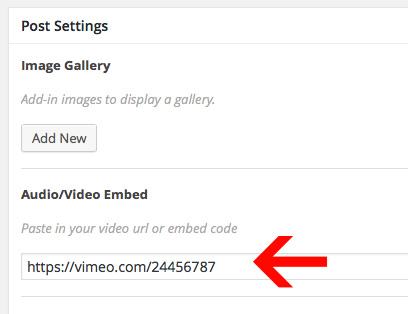
You can add a song or video by editing the "Post Settings" at the bottom of the post. Just copy/paste your URL or embed code into the meta-box flabeled "Audio/Video Embed".
Changing numbe of blog posts per page
Changing the number of blog posts that display on the index is just a matter of going to Settings > Reading.
Translating
This theme is ready to be translated to any language. The easiest way to translate is via a Translation WordPress Plugin. Check out wordpress.org for a list of translation plugins. Our current recommendation is the plugin Loco Translate
You can learn more about translating WordPress via the Translating WordPress Documentation.
Need to support Multiple Languages?
Here are some of the Multilingual WordPress Plugins that will allow you to add multiple languages:
- Manage multilingual posts in one post per language (e.g. WPML - paid, xili-language, Polylang or Bogo). Translations are then linked together, indicating that one page is the translation of another.
- Store all languages alternatives for each post in the same post (e.g. qTranslate).
- Manage translations on the generated page instead of using a post context (e.g. Transposh and Global Translator)
- Plugins that direct you to external translation services (e.g. Google AJAX Translation)
- Plugins like Multisite Language Switcher, Multilingual Press, and Zanto, link together separate WordPress network (multisite) installations for each language by pinging back and forth.
Missing Font Characters
If you notice any font characters missing, you will need to select additional Font Subsets. You can manage this under Appearance > Customize under the Typography tab.
Note: Some fonts do not support all font sub-sets. If your font does not support your language, you will need to choose another font that supports your font characters.
Customizations
Any questions regarding customizations of themes are not included in theme support. It is up to the buyer to make any necessary customizations they need. If you would like to hire us for custom development, please contact here: http://progressionstudios.com/contact/
If you have questions that are beyond the scope of this help file, visit our support forum.
Tips on Customizing CSS
If the customization you want to change isn't listed in the Theme Customizer, check the style.css file. We have a table of contents at the top that points out all of the sections within theme. You can also look-up styles using FireBug for FireFox or Safari/Chrome Inspector. This will allow you to edit additional places within the theme.
How to use Firebug for Firefox to look-up styles in the style.css file: https://www.youtube.com/watch?v=6eTW8-C6_gk
How to use Inspector for Safari & Chrome to look-up styles in the style.css file: https://www.youtube.com/watch?v=nOEw9iiopwI